
[ Products / Valves ]
American Petroleum Institute (API) and Industrial Valves
Isolation, throttling, flow control and non-return duties across process, utility and marine systems, with selection driven by service conditions rather than line size alone.
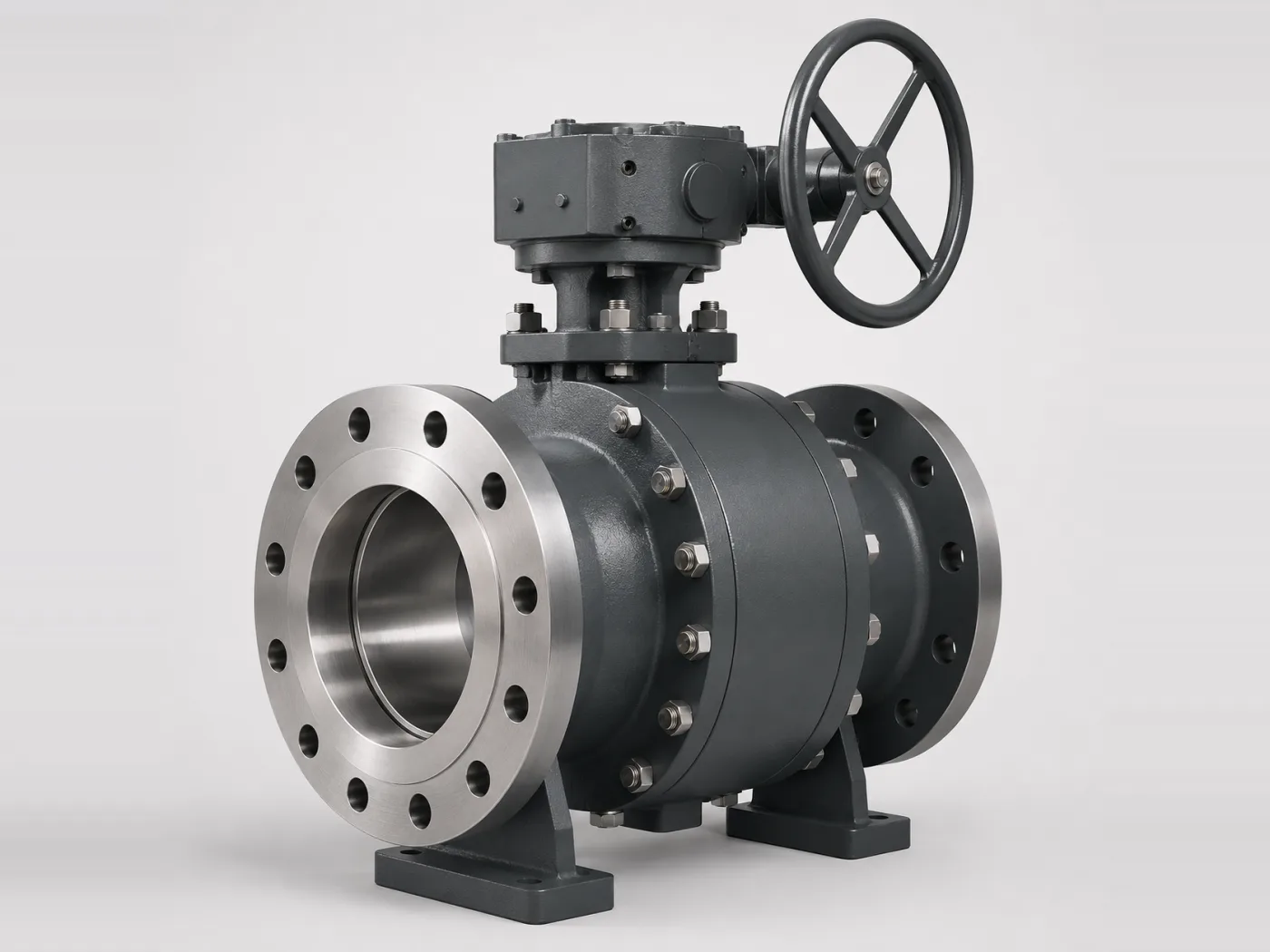
[ The Range ]
Seven Valve Families
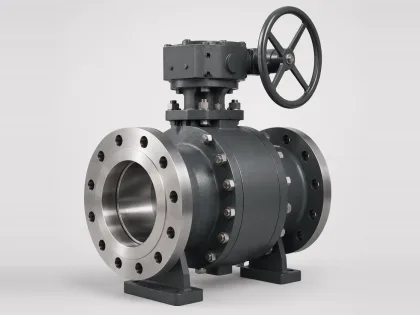
Ball Valves
Quarter-turn on-off isolation and tight shut-off.
Read the detail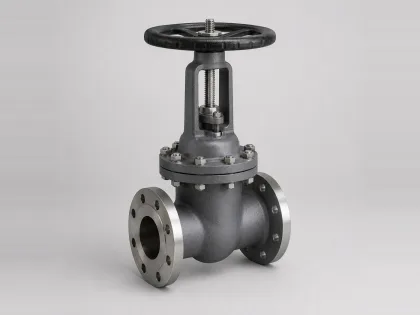
Gate Valves
Straight-through isolation, normally fully open or fully closed.
Read the detail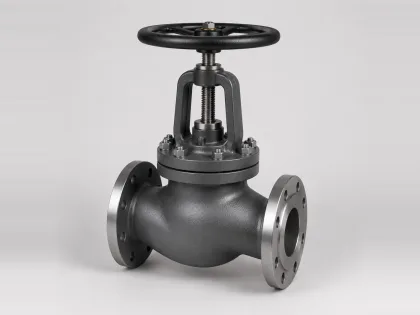
Globe Valves
Throttling, regulation and controlled isolation.
Read the detail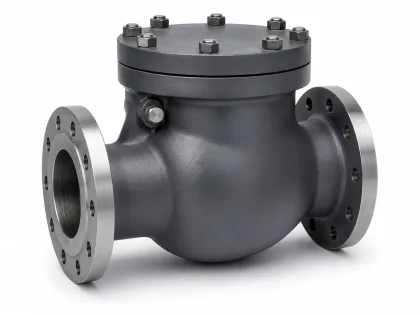
Check Valves
Automatic prevention of reverse flow and equipment protection.
Read the detail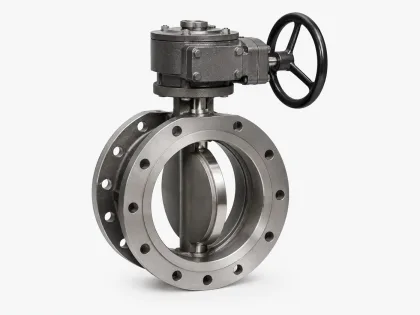
Butterfly Valves
Compact quarter-turn isolation or control.
Read the detail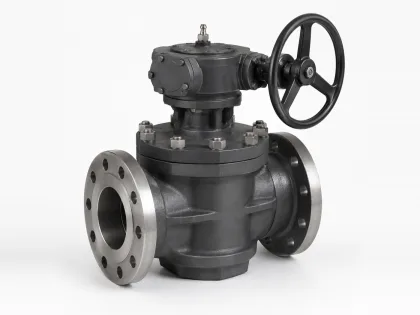
Plug Valves
Quarter-turn isolation for suitable process services.
Read the detail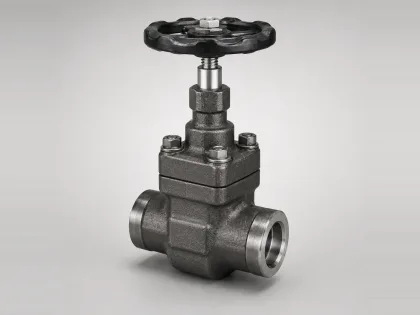
Forged-Steel Valves
Compact small-bore or demanding pressure-temperature duties.
Read the detail[ 01 / Overview ]
API and industrial valves support isolation, throttling, flow control and non-return duties across process, utility and marine systems. The range covers ball, gate, globe, check, butterfly, plug and forged-steel valves, with final selection based on service conditions, materials, end connections, operation, testing and documentation requirements.
Each family below states its typical duty and the configuration options normally available. Conformance to a specific standard, together with the inspection and certification scope, is confirmed per project at selection.
Valve Product Range
| Valve family | Typical duty | Common configuration options |
|---|---|---|
| Ball Valves | Quarter-turn on-off isolation and tight shut-off. | Floating or trunnion-mounted; full or reduced bore; side-entry or top-entry; manual, geared or actuated. |
| Gate Valves | Straight-through isolation, normally fully open or fully closed. | Wedge, pressure-seal, through-conduit or flat gate; flanged or butt-weld; manual, geared or actuated. |
| Globe Valves | Throttling, regulation and controlled isolation. | Straight, angle or Y-pattern; bolted bonnet or pressure seal; project-selected trim; manual or actuated. |
| Check Valves | Automatic prevention of reverse flow and equipment protection. | Swing, lift or piston, dual-plate, tilting-disc, axial or nozzle type, selected for orientation and dynamics. |
| Butterfly Valves | Compact quarter-turn isolation or control. | Concentric, double-offset or triple-offset; wafer, lug, double-flanged or butt-weld; resilient or metal seated. |
| Plug Valves | Quarter-turn isolation for suitable process services. | Lubricated, non-lubricated or sleeved; full or reduced port; manual, geared or actuated. |
| Forged-Steel Valves | Compact small-bore or demanding pressure-temperature duties. | Forged gate, globe, check or ball valve; threaded, socket-weld, butt-weld or flanged ends, subject to design. |
Ball Valves
Quarter-turn ball valves provide rapid isolation, tight shut-off and a low-resistance flow path when fully open. They are widely considered for oil, gas, process, utility and marine duties where reliable on-off service is required.
Typical configurations include floating or trunnion-mounted designs, full or reduced bore, side-entry or top-entry bodies, soft or metal seats, and manual, geared, pneumatic, hydraulic or electric operation.
Gate Valves
Gate valves provide straight-through isolation and are generally selected for services in which the valve operates fully open or fully closed. Their low flow restriction when open makes them suitable for many pipeline, process and utility applications.
Typical configurations include bolted-bonnet wedge gate, pressure-seal and through-conduit or flat-gate designs, with flanged or butt-weld ends and manual, geared or actuated operation as specified.
Globe Valves
Globe valves are used where throttling, regulation or controlled shut-off is required. Their internal flow path creates a higher pressure drop than a straight-through isolation valve but supports more stable flow adjustment.
Typical configurations include straight, angle and Y-pattern bodies, bolted-bonnet or pressure-seal construction, project-selected disc and seat arrangements, and manual or actuated operation.
Check Valves
Check valves operate automatically to reduce reverse flow and protect pumps, compressors and process systems. Selection must consider flow direction, installation orientation, minimum velocity, allowable pressure drop and dynamic response.
Typical configurations include swing, lift or piston, dual-plate, tilting-disc and axial or nozzle check valves, with flanged, wafer, lug or butt-weld connections where applicable.
Butterfly Valves
Butterfly valves provide compact quarter-turn isolation or control, particularly where space and weight are important. The seat and offset arrangement are selected around pressure, temperature, media, shut-off and operating-torque requirements.
Typical configurations include resilient-seated concentric, high-performance double-offset and metal-seated triple-offset designs in wafer, lug, double-flanged or butt-weld arrangements.
Plug Valves
Plug valves provide quarter-turn isolation through a rotating plug and can suit demanding process duties when their sealing system is compatible with the medium and operating conditions.
Typical configurations include lubricated, non-lubricated and sleeved designs, full or reduced port, flanged or welded ends, and manual, geared or actuated operation.
Forged-Steel Valves
Compact forged-steel valves are commonly considered for smaller-bore, higher-pressure or higher-temperature services where a dense forged body and compact construction are preferred.
The range may include forged gate, globe, check and ball valves with bolted, welded or pressure-seal bonnet construction and threaded, socket-weld, butt-weld or flanged ends, subject to the selected design.
[ Confirmed Per Project ]
Service conditions
Materials and trim
End connections
Operation and actuation
Testing and certification
Send the service conditions and we will advise the information still required for a proposal.
[ Start Here ]
Have a Valve Schedule, Data Sheet or Existing Valve to Replace?
Send the service conditions, sizes, pressure class and end connections. We will review the duty and advise the next information required for a technical and commercial proposal.
Request a Valve Review