
[ Metal Expansion Joints ]
Engineered Metal Expansion Joints for Critical Piping Systems
Metallic bellows engineered around actual movement, pressure, temperature, cycle life, material and piping restraint arrangement.
[ 01 / Overview ]
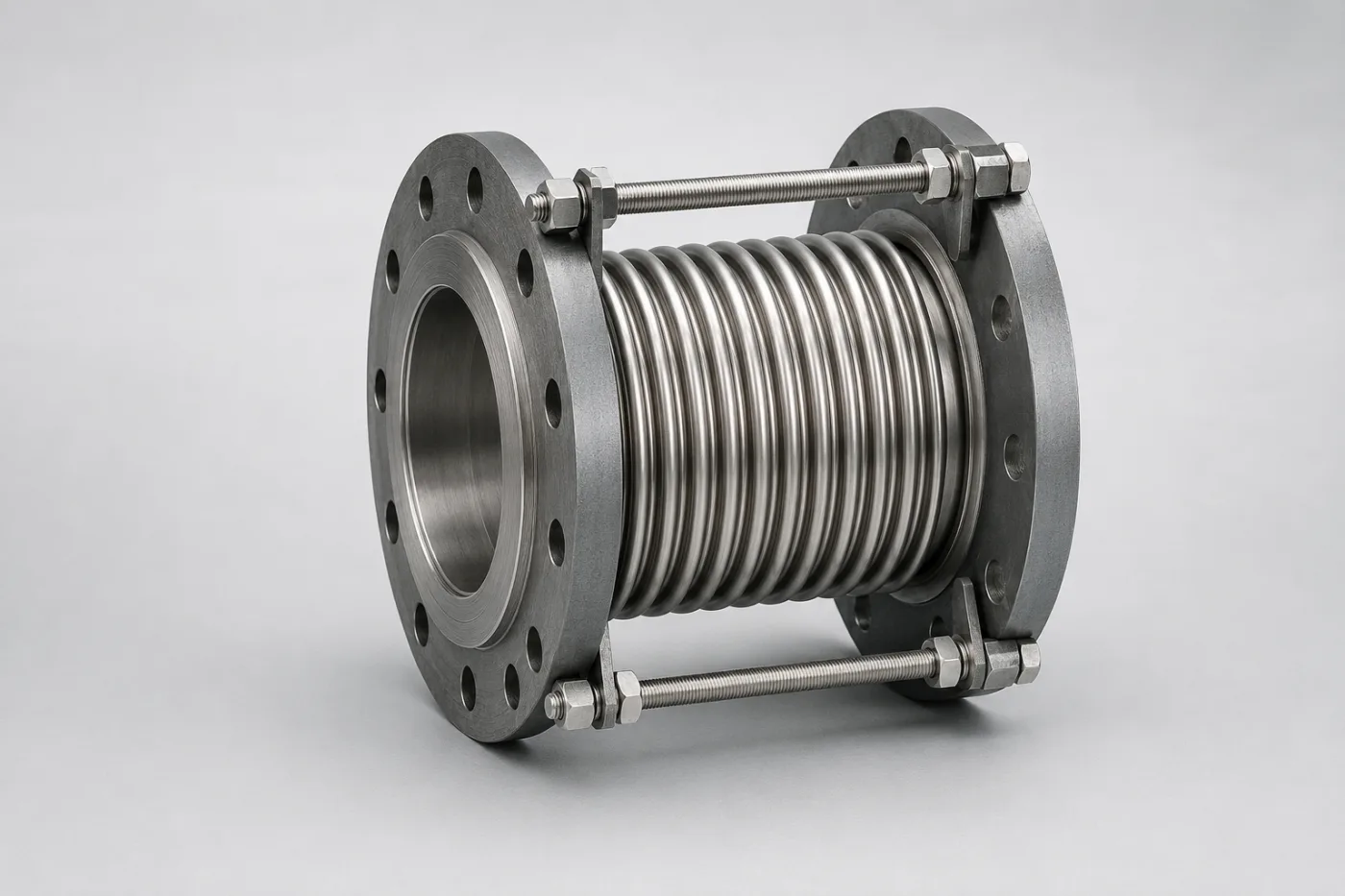
Metal expansion joints use one or more flexible metallic bellows to absorb specified axial, lateral and angular movement in piping, vessels and equipment connections. They are commonly selected for services involving pressure, temperature, corrosive media or low permeability requirements.
Each unit must be engineered around the actual movement, pressure, temperature, cycle life, material, end connection and piping restraint arrangement. VT Top Engineering coordinates application data, design requirements, drawings, documentation and supply to suit new projects or replacement duties.
Key Benefits
- Suitable for a broad range of temperature and pressure conditions when correctly designed
- Accommodates specified axial, lateral and angular movements
- Available in corrosion-resistant stainless steels and nickel alloys
- Can be configured to manage pressure thrust and complex piping movement
- Suitable for flanged, butt-welded or project-specific end connections
- Can include internal liners, covers, tie rods, hinges, gimbals and other hardware
Common Configurations
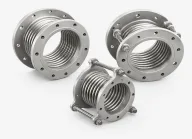
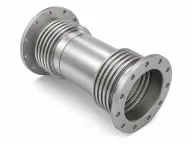
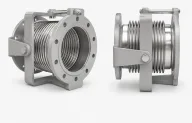
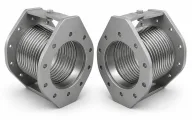
- Single expansion joint
- Primarily used for axial movement in a properly anchored and guided system.
- Universal expansion joint
- Uses two bellows with a centre spool to accommodate larger lateral movement.
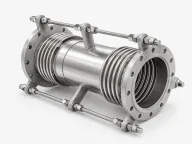
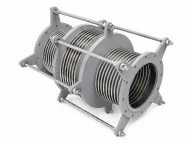
- Tied universal expansion joint
- Adds restraint hardware to control pressure thrust for the specified arrangement.
- Hinged expansion joint
- Permits angular rotation in one plane and is normally applied in engineered sets.
- Gimbal expansion joint
- Permits angular rotation in multiple planes while restraining pressure thrust.
- Pressure-balanced expansion joint
- Reduces pressure-thrust loads where conventional main anchoring is impractical.
Material Options
Typical bellows materials include austenitic stainless steels and selected nickel alloys such as Inconel, Incoloy and Hastelloy. Carbon steel, stainless steel or alloy steel may be used for pipe ends, flanges and structural hardware. Final material selection depends on temperature, corrosion, fatigue, media and project specifications.
Typical Applications
- Steam and condensate systems
- Petrochemical and process piping
- Hydrocarbon and utility services
- Heat exchangers, vessels and equipment connections
- Power and energy systems
- Exhaust and high-temperature duct connections
- Marine and offshore process systems
Design and Quality Framework
Where required by the project, metal bellows expansion joints can be specified to the applicable edition of EJMA standards, relevant ASME design or piping codes, flange standards and client specifications. The exact design basis, inspection plan and documentation scope should be agreed before manufacture.
[ Materials ]
Austenitic stainless steels
Inconel · Incoloy · Hastelloy
Carbon / alloy steel hardware
[ Standards Referenced ]
EJMA — applicable edition
ASME design / piping codes
Flange standards
Client specifications
Specified where required by the project. Design basis agreed before manufacture.
[ Start Here ]
Have a Drawing, Data Sheet or Existing Joint to Replace?
Send us the available technical information, photographs or existing dimensions. We will review the application and advise the next information required for a technical and commercial proposal.
Request a Metal Expansion Joint Review